
 (03) 9484 0766
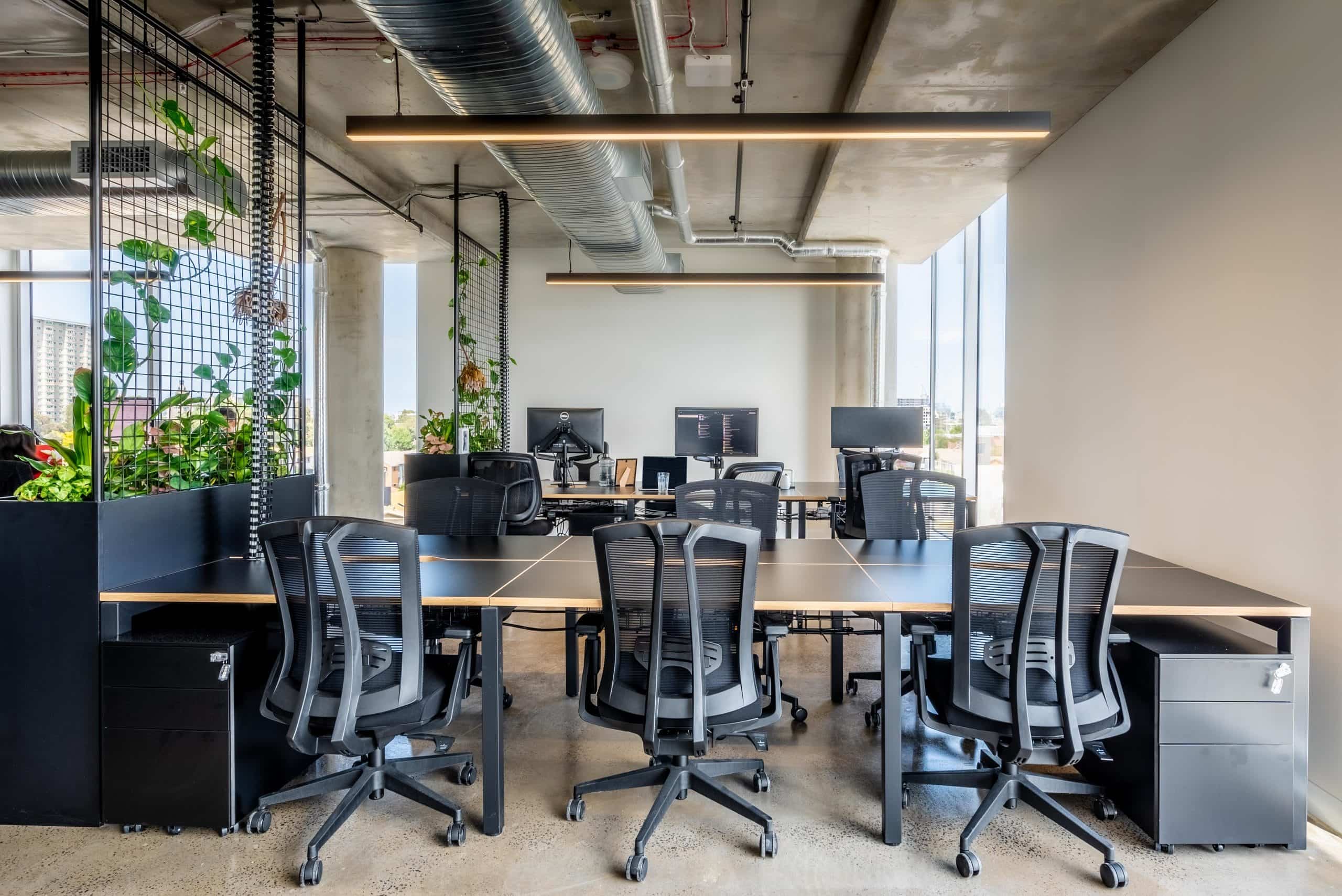
The modern office is no longer one-size-fits-all. With hybrid work trends, open-plan designs, and modular layouts reshaping how we work, the decision between installing workstations or traditional desks has become more critical than ever. Whether you’re planning a fitout in a collaborative Melbourne startup or updating an existing corporate space, choosing the right setup can influence everything from team productivity to the overall office environment.
While both workstations and desks serve the fundamental need for functional workspace, their configurations, purposes, and impacts are vastly different. Workstations often support open living spaces and collaborative teams, while desks offer privacy and focus in more traditional or segmented layouts. With modular desks, high quality office furniture, and a growing focus on ergonomic and flexible design, you also gain the benefit of improved functionality, better lighting options for different zones, and enhanced office flow. How do you decide what suits your team best?
This article will explore the key differences between the two options and how to choose based on your team, layout, and office goals—giving you practical advice and real examples to support a confident decision for your workspace.
Key Takeaways
- Workstations are the ideal choice for collaborative, open-plan environments where flexibility is a priority.
- Desks are better suited to individual-focused roles or private office settings.
- Modular desks provide adaptability and can serve either configuration depending on layout.
- Your choice should consider team needs, available space, and long-term business growth.
- Investing in high quality office furniture improves employee comfort, productivity, and overall office aesthetics.
Summary Table
| Feature | Workstations | Desks |
|---|---|---|
| Best for | Teams, shared spaces, open-plan offices | Individuals, private offices, task-based roles |
| Layout | Modular, often shared, helps define different areas within open offices | Standalone, traditional or ergonomic designs |
| Flexibility | High – reconfigurable as needs change | Moderate – usually fixed in place |
| Space Usage | Maximises space in open areas and allows zoning of different areas | May require more square metres per person |
| Productivity Impact | Encourages collaboration and communication | Supports deep work and fewer distractions |
| Design Style | Contemporary, suited to modern aesthetics | Varies – from classic to minimalist styles |
| Common Additions | Shared screens, dividers, communal AV setups | Personal storage, task lighting, ergonomic accessories |
| Ideal for | Melbourne businesses seeking flexible setups | Offices prioritising privacy and individual workstations |
What is a Workstation?
In the modern office landscape, workstations have become a popular alternative to traditional desks — especially in open-plan environments. A workstation typically refers to a modular setup that includes not just a surface to work on, but integrated storage, privacy panels, and ergonomic considerations. These units are designed to optimise space and allow multiple employees to work in proximity while still maintaining a sense of personal zone.
Unlike individual desks, workstations are often grouped or configured in pods, benches, or clusters. This arrangement helps foster collaboration and communication among team members, particularly in fast-paced or creative work environments. Some systems even include cable management, acoustic screening, and height-adjustable options to suit different roles and preferences.
Workstations are ideal for businesses looking to maximise floor space, encourage team connectivity, and maintain a clean, professional layout. They’re often used in industries where shared resources or tight-knit teams are common — such as sales, design, or customer service teams.
The modular nature of a workstation also means it can adapt over time. As your team grows or your office layout changes, these systems can be expanded or reconfigured with minimal disruption.
The Role of Desks in Traditional Setups
While workstations cater to collaboration and open-plan layouts, desks remain a staple in many traditional office environments — and for good reason. A desk offers a personal, dedicated workspace that supports focus, privacy, and individual workflow. These setups are common in executive offices, private rooms, or roles requiring concentration and minimal interruption.
Desks come in a wide variety of styles and configurations, from classic rectangular designs to corner desks, standing desks, and executive options. Unlike modular workstations, a traditional desk is usually a standalone piece of furniture, often accompanied by mobile pedestals, under-desk storage, or attached hutches. This makes them especially suitable for tasks that demand physical paperwork, confidential conversation, or extended screen time.
In settings where a clear separation of roles or departments is needed, individual desks support both function and structure. They also allow for more control over the personal office environment, including lighting, seating, and decor.
Traditional desk setups are often preferred in professional services, executive roles, or client-facing spaces where a polished and organised appearance is key. They remain a reliable option in office planning where individual focus outweighs team collaboration.
Workstations vs Desks: Key Differences
While desks and workstations both serve as functional office furniture, their design, use, and intent often differ — and those distinctions can make a real difference to workplace layout and performance.
Desks are typically standalone units, used for individual tasks that require privacy or minimal distraction. They often include built-in storage or drawers and are suited to more traditional office settings or roles that demand uninterrupted focus. Desks are usually fixed in place and don’t form part of a larger system.
Workstations, on the other hand, are modular and often arranged in clusters to support open-plan or team-based work environments. This arrangement helps facilitate smooth flows of movement and communication throughout the office, enhancing both functional connectivity and visual harmony. They may feature shared partitions, cable management, and layout flexibility, making them ideal for businesses that value collaboration and want to foster a more dynamic workflow. Workstations can also be reconfigured or expanded as teams grow or roles shift — offering greater long-term versatility.
The visual impact is also notable. Desks can lend a more executive or formal aesthetic, whereas workstations typically create a modern, unified look that’s both functional and space-efficient.
Ultimately, the decision comes down to how your business operates. Is the goal individual focus or team synergy? The answer will help determine the better fit between the two.
Choosing Based on Space & Team Needs
Selecting between desks and workstations should start with how your team works and the physical constraints of your office environment. The right choice supports not just aesthetics, but productivity, collaboration, and comfort.
If your office is open-plan and encourages regular communication between team members, modular workstations offer a flexible layout that promotes easy interaction. These setups work well for teams that thrive on collaboration, with shared zones and adaptable partitions to create flow while maintaining a degree of focus. Workstations are especially valuable in growing businesses where future expansion or team reshuffling is likely.
For companies where roles are more independent or private, or where meetings and confidential work are frequent, individual desks may be more appropriate. They provide clearly defined personal space, with one area dedicated to a specific role or function, and are often better suited to roles in HR, finance, or leadership where privacy is key.
Available floor space also plays a major role. Workstations allow you to make the most of compact layouts with integrated storage and cable management. Desks, while offering a more traditional setup, can take up more room per employee.
Ultimately, your team’s workflow, department needs, and available office space should guide the choice — ensuring that the furniture supports not just today’s needs, but future flexibility as well.
Traffic Flow and Workspace Efficiency
Creating an efficient workspace is crucial for both productivity and employee satisfaction, especially in open plan offices where movement and collaboration are part of daily life. The way you arrange your office furniture—such as modular desks, ergonomic chairs, and workstations—directly impacts how people move through the space and interact with one another. A well-considered layout not only enhances the flow of traffic but also helps reduce congestion and minimise distractions, making it easier for employees to focus and collaborate.
By strategically placing high quality office furniture and leaving ample space between workstations, you can create an inviting atmosphere that encourages creativity and seamless communication. This thoughtful approach to office design supports a sense of openness while still providing the necessary structure for different work zones. In Melbourne, where innovative office environments are in high demand, businesses are increasingly turning to modular desks and flexible layouts to enhance workspace functionality and support the well-being of their teams.
At Melbourne Office Furniture, we offer a comprehensive range of solutions designed to optimize your office layout, improve traffic flow, and boost overall productivity. Investing in the right furniture pieces and planning your space with care is crucial to creating a workspace where employees can thrive.
Customisation and Personalization: Tailoring Workspaces to Your Team
No two businesses are exactly alike, and your office environment should reflect the unique needs and culture of your team. Customisation and personalisation are essential for creating a workspace that truly supports your business goals. With modular desks and adaptable office furniture, you have the unparalleled flexibility to design a layout that fosters collaboration, enhances functionality, and suits your specific workflow.
Whether you need open zones for teamwork, intimate areas for focused tasks, or a blend of both, our full range of office furniture can be configured to match your vision. Choose from a variety of sizes, finishes, and configurations to create a workspace that not only looks great but also boosts productivity and employee satisfaction. This tailored approach allows you to create an office environment that evolves with your business, supporting growth and changing needs over time.
If you’re ready to discover how personalized office furniture can transform your workspace, contact our team today. We’re here to help you explore ideas, find the ideal configurations, and create a functional, inspiring office that’s perfectly suited to your team.
Design, Style & Aesthetics: Visual Appeal in the Workplace
Office furniture plays a crucial role in shaping the visual identity of your workspace. Whether you’re designing a professional boardroom or a dynamic open-plan area, the style and finish of your desks or workstations should reflect your brand’s personality and values.
Modular workstations often lend themselves to modern aesthetics, with clean lines, integrated cable management, and uniform layouts. Available in a wide range of finishes and configurations, they’re ideal for businesses looking to maintain a consistent and contemporary look across their teams. You can explore a collection of styles and finishes to achieve the desired visual impact and find the perfect match for your workspace. They also offer colour and material choices that can align with your corporate branding, enhancing both morale and brand perception.
Desks, on the other hand, can provide a more individualised and classic aesthetic, particularly when paired with matching office chairs, shelving, or standalone storage. They’re an excellent choice for executive or client-facing areas where making a lasting impression is key.
Choosing the right style doesn’t just impact appearance — it can also influence how people feel in the space. A visually cohesive, thoughtfully designed office helps foster a more inviting atmosphere, enhancing both employee satisfaction and client perception.
Whether you opt for traditional or contemporary designs, investing in high-quality finishes that suit your space and team can transform a functional office into a standout workspace.
Final Thoughts
When it comes to furnishing your office, understanding the differences between workstations and desks is essential to making the right choice for your space, team, and business needs. While modular workstations offer flexibility, collaboration, and a sleek, modern finish, traditional desks may better suit teams or roles requiring greater individual focus or privacy.
Ultimately, the right choice will depend on how your team works, how much space is available, and the aesthetic goals of your workplace. Whichever direction you take, prioritising quality office furniture that aligns with your operations and brand will ensure you create an environment that’s both functional, welcoming, and visually appealing.
Whether you’re fitting out a small business or revamping an open-plan office in Melbourne, the right workspace solution will enhance comfort, productivity, and professional impact.
FAQs Answered
Which is more space-efficient: desks or workstations?
Workstations are generally more space-efficient than traditional desks. They’re designed to fit multiple team members into a shared layout, maximising your floor space while still offering personal work zones. By avoiding the ‘box’ effect of traditional cubicles, workstations help create a more open and connected workspace.
Are modular desks suitable for open-plan offices?
Absolutely. Modular desks are a popular choice in open-plan setups and open spaces because they’re flexible and easy to configure. They allow you to adapt your layout as your team grows or shifts, making the most of your space without major disruption.
What type of furniture boosts office collaboration?
Workstations, especially in cluster or pod formats, are great for encouraging collaboration. They bring team members closer together while still providing enough separation for focus, helping to strike a healthy balance between teamwork and productivity.
How do I choose between desks and workstations for my team?
Start by assessing how your team works. If your staff need frequent collaboration, workstations may be the better choice. If privacy or solo tasks are the focus, individual desks could be a better fit. Our team at Adept provides tailored solutions for clients seeking the perfect office setup.